भारत में आज का सामाजिक परिपेक्ष्य और जातिवाद का प्रभाव
भारत में आज एक ऐसा समय है जब हमारा संविधान, जो समानता, स्वतंत्रता और न्याय की बात करता है, हमारे जीवन का आधार बन चुका है। हमारे संविधान के तहत, सभी नागरिकों को समान अधिकार प्राप्त हैं, और कोई भी जाति, वर्ग, या लिंग के आधार पर भेदभाव नहीं किया जा सकता। लेकिन क्या आज भी, जातिवाद और जाति आधारित आरक्षण की व्यवस्था हमारे समाज में समानता और एकता के सिद्धांतों के खिलाफ नहीं जाती? क्या हम उस समय को नहीं देख सकते, जब भारत में जातिवाद की व्यवस्था ने लोगों को जन्म के आधार पर सीमित कर दिया था?
इस समय जब हम संविधान के तहत समान अधिकारों की बात करते हैं, तो क्या जातिवाद को बढ़ावा देना और जाति के आधार पर आरक्षण देना, समाज को फिर से बांटने का काम नहीं कर रहा?
आज का भारत, जो समानता और अधिकारों की बात करता है, क्या उसकी नींव जातिवादी व्यवस्थाओं और भेदभाव पर आधारित है? क्या हम यह भूल रहे हैं कि आरक्षण के उद्देश्य में समानता और अवसर का विस्तार किया गया था, न कि उसे जातिवाद की ओर मोड़ने का?
भारत में जातिवाद: इतिहास, वर्तमान स्थिति और समानता की दिशा में कदम
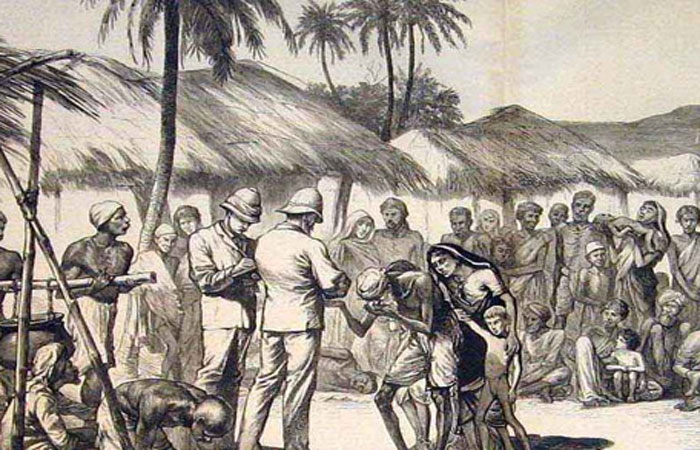
भारत में जातिवाद का इतिहास गहरा और जटिल रहा है। प्राचीन काल में भारत में वर्ण व्यवस्था का अस्तित्व था, जो समाज को चार मुख्य वर्गों में बाँटती थी – ब्राह्मण, क्षत्रिय, वैश्य और शूद्र। यह व्यवस्था जन्म के आधार पर नहीं, बल्कि कार्यों के आधार पर बनाई गई थी, जिसमें प्रत्येक वर्ग के अलग-अलग दायित्व थे। ब्राह्मणों का कार्य शिक्षा, धर्म और धार्मिक कर्तव्यों को निभाना था, जबकि क्षत्रिय को समाज की रक्षा और प्रशासन की जिम्मेदारी दी गई थी। वैश्य वर्ग का कार्य व्यापार और कृषि में था, जबकि शूद्रों को सेवा कार्यों में संलग्न होना था।
हालांकि, यह व्यवस्था समय के साथ बदलती रही और धीरे-धीरे जन्म आधारित जातिवाद के रूप में विकसित हो गई, जिसके तहत समाज को जन्म के आधार पर उच्च और निम्न जातियों में बाँट दिया गया। यह जातिवाद की वह प्रणाली बन गई, जिसने समाज को असमानताओं और भेदभाव की ओर धकेल दिया।
आज के भारत में हम संविधान द्वारा दिए गए समानता के अधिकार की बात करते हैं, लेकिन क्या हम इस पुराने जातिवादी दृष्टिकोण को पूरी तरह से समाप्त कर पाए हैं? क्या जातिवाद के प्रभावों को समय की धारा में ढालते हुए हम समाज में समानता और एकता के सिद्धांतों को सही तरीके से लागू कर पा रहे हैं?
समाज में परिवर्तन और उदाहरण
प्राचीन भारत में वर्ण व्यवस्था के बावजूद, कई उदाहरण मिलते हैं जहां लोग अपनी क्षमता, साहस और ज्ञान से समाज में महत्वपूर्ण पदों तक पहुँचे। चंद्रगुप्त मौर्य, जो शूद्र जाति से थे, ने भारतीय उपमहाद्वीप पर शासन किया और मौर्य साम्राज्य की नींव रखी। यह उदाहरण इस बात का प्रतीक है कि केवल जाति से किसी की क्षमता का निर्धारण नहीं किया जा सकता। चंद्रगुप्त ने अपने प्रशासनिक कौशल और नेतृत्व क्षमता से देश का उद्धार किया और सम्राट बने।
उनके गुरु, ब्राह्मण चाणक्य (कौटिल्य), ने उन्हें समाज के उच्चतम पद तक पहुँचाने के लिए मार्गदर्शन किया। चाणक्य ने चंद्रगुप्त को न केवल राजनीति और राज्य संचालन के बारे में सिखाया, बल्कि यह भी बताया कि कैसे जाति या सामाजिक स्थिति के बावजूद किसी भी व्यक्ति को अपने उद्देश्य को प्राप्त करने का अधिकार है। चाणक्य का यह योगदान यह साबित करता है कि किसी व्यक्ति की सफलता और श्रेष्ठता केवल उसकी जाति पर निर्भर नहीं करती, बल्कि उसकी क्षमता, ज्ञान और मेहनत पर आधारित होती है।
इसी तरह, डॉ. भीमराव अंबेडकर ने भी अपनी जीवन यात्रा में बहुत से कठिनाइयों का सामना किया। वे एक महार जाति से थे, जिसे भारतीय समाज में निचली जाति माना जाता था और उन्हें कई सामाजिक भेदभावों का सामना करना पड़ा। लेकिन उनके जीवन का मोड़ तब आया जब उन्हें ब्राह्मण गुरु से शिक्षा प्राप्त करने का अवसर मिला। उनका मार्गदर्शन करने वाले गुरु, जिन्होंने उन्हें उच्च शिक्षा प्राप्त करने के लिए प्रेरित किया, ने उन्हें यह समझाया कि ज्ञान और शिक्षा से किसी भी जाति के बंधन को तोड़ा जा सकता है।
डॉ. अंबेडकर ने अपनी शिक्षा को समाज के उत्थान के लिए इस्तेमाल किया और भारत में समानता और सामाजिक न्याय के लिए संघर्ष किया। उन्होंने भारतीय संविधान का निर्माण किया, जो जातिवाद और भेदभाव के खिलाफ था। अंबेडकर का जीवन यह साबित करता है कि जाति या जन्म के आधार पर किसी को सफलता या शिक्षा से वंचित नहीं किया जा सकता।
आज के भारत में जातिवाद और आरक्षण
आज के समय में जब हम भारतीय संविधान की बात करते हैं, तो हम समानता, स्वतंत्रता और न्याय के सिद्धांतों पर जोर देते हैं। संविधान ने सभी नागरिकों को समान अधिकार दिए हैं और जाति, धर्म, लिंग, या वर्ग के आधार पर भेदभाव को समाप्त किया है। इसके बावजूद, जातिवाद और जाति आधारित आरक्षण की व्यवस्था समाज में बनी हुई है। आरक्षण प्रणाली का उद्देश्य ऐतिहासिक रूप से उत्पीड़ित वर्गों को अवसर देना है, ताकि वे शिक्षा, रोजगार और सामाजिक समृद्धि में समान रूप से भागीदार बन सकें।
हालांकि, वर्तमान में आरक्षण की प्रणाली पर व्यापक बहस हो रही है। कुछ लोग मानते हैं कि आरक्षण प्रणाली अब अपने उद्देश्य से भटक गई है और इससे समाज में असमानताएं और बेमेलताएं उत्पन्न हो रही हैं। सवाल यह उठता है कि क्या आरक्षण का आधार जाति होना चाहिए, या फिर इसे आर्थिक स्थिति के आधार पर पुनः परिभाषित किया जाना चाहिए?
वर्तमान स्थिति में, जबकि हम संविधान द्वारा दिए गए समान अधिकारों की बात करते हैं, जातिवाद को बढ़ावा देना और जाति के आधार पर आरक्षण देना क्या समाज को फिर से बांटने का काम नहीं कर रहा? क्या इस प्रणाली का उद्देश्य पूरा हो रहा है, या हम केवल एक दूसरे को और अधिक विभाजित कर रहे हैं?
समान अवसरों की दिशा में
आज के भारत में हमें यह समझने की आवश्यकता है कि किसी भी व्यक्ति की योग्यता और क्षमता को जाति या सामाजिक स्थिति के आधार पर नहीं परखा जा सकता। हमें एक ऐसा समाज बनाना चाहिए, जहां सभी को समान अवसर मिलें, और जातिवाद, भेदभाव और उत्पीड़न से मुक्त हो।
हमारे संविधान में समानता का अधिकार हर नागरिक को दिया गया है, और यह समय है कि हम जाति आधारित भेदभाव को समाप्त करें और सभी के लिए समान अवसर सुनिश्चित करें। यह सुनिश्चित करना कि सभी को शिक्षा, रोजगार, और सामाजिक अवसरों में समान अधिकार मिलें, हमारी प्राथमिकता होनी चाहिए।
समाप्ति में, जातिवाद के खिलाफ हमारी लड़ाई केवल संविधान और कानून तक सीमित नहीं होनी चाहिए, बल्कि हमें समाज के हर स्तर पर इसे समाप्त करने के लिए कदम उठाने होंगे। हमें अपने समाज में बुराइयों और असमानताओं को खत्म करने के लिए एक समर्पित और सार्थक प्रयास करना होगा, ताकि हर नागरिक को उसके योग्यता और क्षमता के आधार पर मूल्यांकन किया जा सके, न कि उसकी जाति के आधार पर।
निष्कर्ष भारत में जातिवाद की जड़ें बहुत गहरी हैं, लेकिन हमारे पास यह अवसर है कि हम इसे मिटा सकें और एक समान, समावेशी और न्यायपूर्ण समाज की ओर बढ़ें। केवल तभी हम अपने समाज में वास्तविक समानता ला सकेंगे, जब हम जातिवाद को हर क्षेत्र से बाहर करेंगे और सभी को समान अवसर देंगे।
India’s Present Social Context and the Impact of Casteism
India today stands at a juncture where our Constitution, which enshrines the values of equality, liberty, and justice, forms the foundation of our democratic society. Under the Constitution, all citizens are guaranteed equal rights, and no one is to be discriminated against based on caste, class, or gender.
But even now, is the system of caste-based reservation and caste identity in practice not conflicting with the very principles of unity and equality? Can we not look back to the time when caste-based hierarchies restricted people purely based on birth?
Today, as we uphold the constitutional promise of equal rights, are we not ironically dividing society once again through caste-based advantages? India’s foundation, which speaks of equality and justice, is it still being affected by the remnants of casteist systems? Are we forgetting that the original objective of reservation was to expand opportunity and equality—not to reinforce caste divisions?
Caste in India: History, Current Realities, and Steps Toward Equality
India has a deep and complex history of caste. In ancient times, there existed a varna system which classified society into four primary groups — Brahmins, Kshatriyas, Vaishyas, and Shudras. This system was originally based on function, not birth. Brahmins were responsible for knowledge, teaching, and religious duties; Kshatriyas for protection and governance; Vaishyas for trade and agriculture; and Shudras for service-related roles.
However, over time, this functional classification gradually turned into a rigid, birth-based caste hierarchy, dividing society into higher and lower classes based on lineage rather than merit. This transformation led to severe inequality and discrimination that marginalized large sections of the population.
While we now live under a Constitution that promises equal rights for all, we must ask — have we truly eliminated the outdated caste mindset from our society? Are we, as a nation, fully implementing the principles of equality and justice, or are we still bound by old prejudices?
Social Change and Real-Life Examples
Despite the caste-based structure of ancient society, history provides many examples of individuals who rose to prominence based on their merit, courage, and intellect. One such example is Chandragupta Maurya, who came from a Shudra background but went on to rule the Indian subcontinent and establish the Mauryan Empire. His rise symbolizes that ability and leadership are not determined by caste.
Chandragupta’s mentor, the Brahmin Chanakya (Kautilya), played a pivotal role in his journey. Chanakya not only educated him in statecraft and governance but also taught that social standing should not limit one’s destiny. His mentorship proves that success and greatness are founded not on caste, but on knowledge, wisdom, and determination.
Similarly, Dr. B.R. Ambedkar, born into the Mahar caste — considered a lower caste in Indian society — faced extreme discrimination and hardship throughout his life. However, a turning point came when he was guided by Brahmin teachers who encouraged him to pursue higher education. Their support helped him realize that education could break the chains of caste.
Dr. Ambedkar used his education as a tool to fight for social justice and equality. He went on to draft the Indian Constitution — a document that stands firmly against caste discrimination. His life proves that birth does not define destiny and that knowledge and hard work can overcome even the most deeply rooted barriers.
Casteism and Reservation in Contemporary India
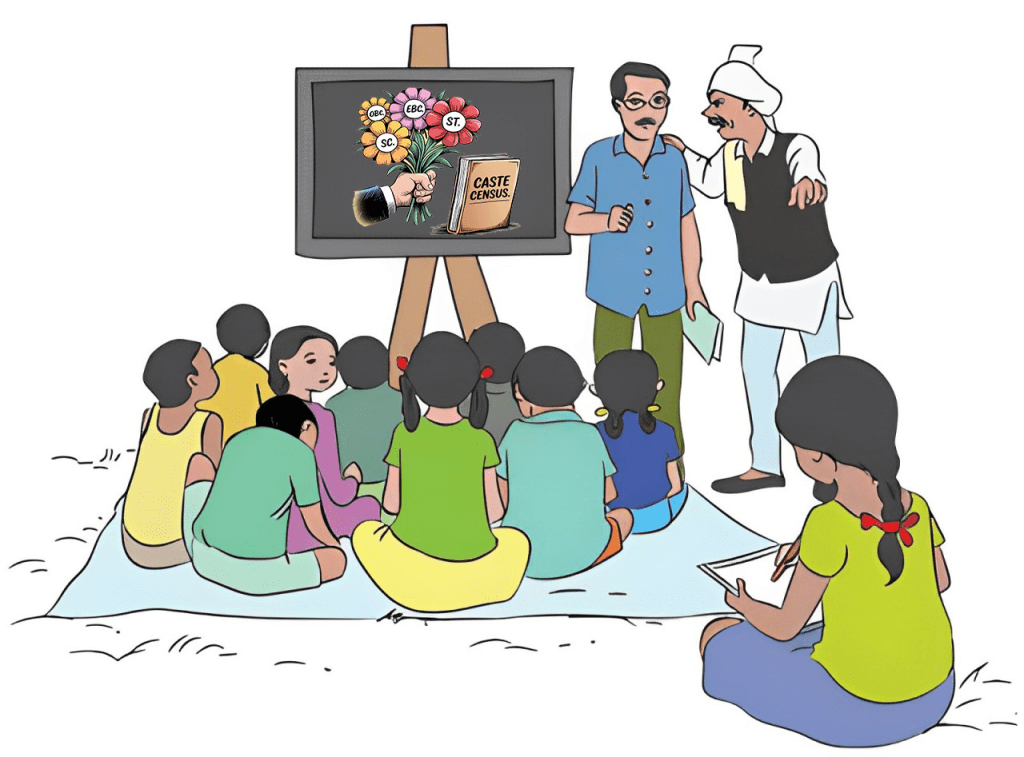
Today, while the Indian Constitution emphasizes equality, liberty, and justice, caste-based reservation policies still persist in our system. Originally intended to uplift historically oppressed communities, reservations aim to ensure fair access to education, employment, and socio-economic participation.
However, this policy is now the subject of widespread debate. Many believe that reservation has strayed from its purpose and is creating new inequalities in the name of correcting old ones. The fundamental question arises: should caste still be the basis of reservation, or should economic and social conditions take precedence?
In this modern era, does promoting caste-based reservation in the name of social justice not contradict the principle of equality? Has the system truly served its purpose, or has it begun to create new divisions among people?
Moving Toward Equal Opportunities
We must now realize that an individual’s ability and merit should never be judged on the basis of caste or social background. We must build a society where everyone is given equal opportunity — free from the influence of casteism, discrimination, or oppression.
The right to equality is enshrined in our Constitution, and now is the time to truly implement it. We must work to eliminate caste-based discrimination and ensure equal access to education, employment, and social opportunities for all.
The fight against casteism should not remain limited to legal frameworks — it should be embraced in our values, social systems, and collective mindset. Only with sincere and collective effort can we remove inequality and build a society where every citizen is assessed by their merit, not their caste.
Conclusion
Casteism has deep roots in Indian history, but we now have the opportunity to eradicate it and move toward a society that is equal, inclusive, and just. We can achieve true equality only when we eliminate caste-based thinking from all aspects of our lives and guarantee equal opportunities to all, regardless of their background. Let us rise above caste. Let us choose equality.
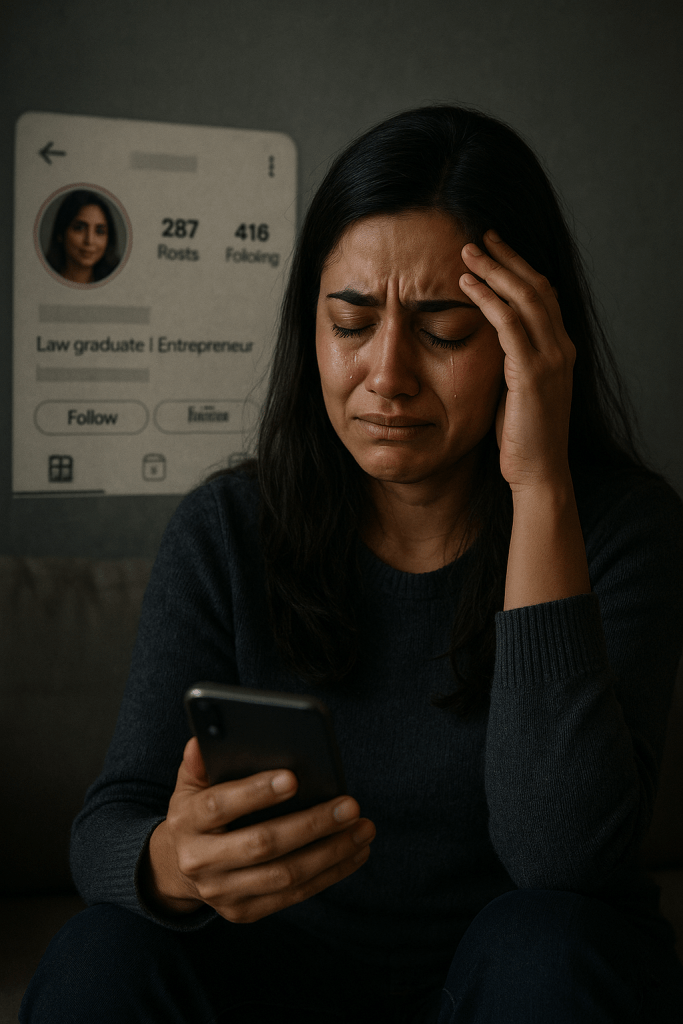
In an era where social media increasingly defines self-worth and success, the heartbreaking death of Misha Agarwal—a 25-year-old Instagram influencer, entrepreneur, and law graduate—has sent shockwaves through the online community and beyond. With over 358,000 followers, her own cosmetic brand, and aspirations to become a judge through the Provincial Civil Services-Judicial (PCSJ) examination, Misha was the embodiment of a modern, driven young woman.
Yet behind the carefully curated posts and smiling selfies was a young soul battling an invisible storm. When her follower count began to decline, Misha spiraled into deep depression. Her brother-in-law recounts how she would cry in his arms, asking, “Jijja, what will I do if my followers decrease? My career will be over.” Despite her family’s efforts to remind her of her real-life achievements and limitless potential, the grip of digital validation proved too powerful. In April 2025, Misha took her own life.
Her tragic death is more than a personal loss—it is a mirror held up to our society. It compels us to ask: What have we made of success, self-worth, and mental health in the age of social media?
The Digital Mirage
Social media platforms were once meant to connect and inspire. Today, they have become landscapes of comparison, competition, and constant validation-seeking. For Misha, Instagram was not just an app; it was the world she built—her brand, her audience, her sense of purpose. Like many influencers, she worked tirelessly to engage with followers and grow her digital identity.
But digital fame is fragile. Algorithms shift, audiences change, and metrics fluctuate. And when those numbers dipped, so did Misha’s confidence. She could not detach her self-worth from her follower count. What she couldn’t see—despite her education, talent, and family’s love—was that her value extended far beyond the screen.
A Stark Contrast
What makes this loss even more haunting is the contrast. There are people in the world who do little, who even cause harm or disturbance, and yet go on living without reflection. Meanwhile, Misha—a woman who had already achieved so much, who gave so much—was brought down by a numeric drop on a social platform.
This contrast begs the question: Where is our generation heading when the decline in online popularity can eclipse real-life success and lead to irreversible consequences?
What We Must Learn
Misha’s story must not become just another headline or statistic. It must serve as a loud and lasting reminder. Here are critical lessons we all must carry forward:
Self-Worth Is Not Digital: Your value isn’t based on likes or followers. It’s built through character, contribution, and real-life impact.
Mental Health Is a Priority, Not a Taboo: Depression, anxiety, and burnout must be acknowledged early. Talking about mental health should be as normal as talking about physical health.
Success Is Not a Number: Real success lies in fulfillment, peace, and growth—not in going viral.
Look Beyond the Filter: Influencer life often masks personal struggles. Don’t assume a perfect feed means a perfect life.
Family and Friends Must Stay Close: Pay attention to behavioral shifts. Sometimes a small conversation, a kind word, or timely encouragement can change someone’s path.
Preventing More Mishas
To stop more such tragedies, society must shift gears:
In Education: Schools and colleges must teach digital literacy and emotional resilience. Young minds must learn to handle the highs and lows of online life.
On Social Media Platforms: Instagram and other platforms must take responsibility—reduce emphasis on vanity metrics, offer mental health resources, and promote healthier engagement.
At Home: Families need to foster open dialogues. Celebrate real-world success. Normalize therapy and emotional expression.
With Policy and Awareness: National campaigns should focus on mental health awareness, especially in the influencer and creator community where the risk is high but the support is low.
A Call for Change
Misha Agarwal was more than an influencer. She was a student of law, a founder, a future judge, a loving daughter and sister. Her death is not just a loss to her family but to a society that failed to protect her from the dark side of digital culture.
We must honor her memory by building a world that recognizes and uplifts individuals beyond their digital personas. A world where no one feels that their identity depends on an app. A world where success is measured by joy, contribution, and growth—not by followers.
If you or someone you know is struggling, please speak up. In India, helplines like Unmukt Society Foundation (8178059124) offer free, confidential support. Your life matters—beyond every number, post, or screen. Let us not allow Misha’s story to fade away. Let it be the start of reflection, responsibility, and reform.
In a world plagued by violence and ideological conflicts, the provocative assertion that “terrorists are the second most dangerous, seculars are the first” challenges us to confront an uncomfortable question: do those who champion secularism, in their pursuit of political correctness or electoral gain, inadvertently enable heinous acts of terrorism? This article delves into the claim that secular narratives, driven by vote-bank politics or fear of communal backlash, may downplay or justify atrocities committed by Islamist groups targeting non-Muslims. By examining cases like the 2025 Pahalgam attack in Kashmir, the targeting of Jews in Israel, the Yazidi genocide in Iraq, and grooming scandals in Great Britain, we explore whether secular apologism emboldens perpetrators. The role of figures like Priyanka Gandhi, whose symbolic gestures amplify certain narratives, underscores the broader implications of prioritizing political agendas over justice and security.
The Pahalgam Attack: Religious Targeting in Kashmir
On April 22, 2025, a horrific terrorist attack in Pahalgam’s Baisaran Valley, Jammu and Kashmir, claimed the lives of 26 tourists, predominantly Hindus, with one Nepalese national among them. The attackers, reportedly linked to the group Kashmir Resistance, allegedly singled out victims based on their religion, shooting those who could not recite Islamic verses or identified as non-Muslims (News18: ‘Label Pakistan As State Sponsor Of Terrorism’). Survivors recounted chilling details, such as being asked to recite the Kalima or strip to confirm their identity before being executed (Times of India: Pahalgam terror attack). This attack, deemed one of the deadliest since the 2019 Pulwama bombing, reignited debates about targeted violence against Hindus in Kashmir.
The response from some global media outlets, such as The New York Times, BBC, and Al Jazeera, drew criticism for using terms like “militants” or “gunmen” instead of “terrorists,” which critics argue sanitizes the ideological and religious motives behind the attack (Times of India: US House panel slams NYT). The US House Foreign Affairs Committee condemned this framing, accusing outlets of “whitewashing” the attack’s religious targeting (Times of India: US House panel slams NYT). Such language, critics contend, reflects a secular tendency to downplay Islamist violence to avoid offending certain communities, potentially driven by political considerations or fear of backlash.
Israel: Targeting Non-Muslims and Hostage Crises
The claim extends to Israel, where terrorist groups like Hamas have been accused of targeting non-Muslims, particularly Jews, in attacks such as the October 7, 2023, assault. This attack killed over 1,200 people, with Hamas taking 251 hostages, many of whom remain in captivity (Reuters: Hamas attack on Israel). The deliberate targeting of Jewish civilians, including at a music festival, mirrors the religious profiling seen in Pahalgam. Michael Rubin, a former US official, likened the Pahalgam attack to Hamas’s tactics, noting that both targeted specific religious groups to sow fear (News18: ‘Label Pakistan As State Sponsor Of Terrorism’).
Some secular voices, particularly in Western media and activist circles, have been criticized for framing these attacks as resistance against occupation rather than terrorism driven by religious extremism. For instance, narratives emphasizing “Justice for Palestine,” as seen in Priyanka Gandhi’s public display of a bag with this slogan in 2019, are accused of overshadowing the plight of victims and hostages ([X Post: @sankrant]). Such rhetoric, while advocating for Palestinian rights, can inadvertently legitimize or downplay the actions of groups like Hamas, which explicitly target non-Muslims, according to critics.
Yazidi Genocide: Atrocities and Sexual Slavery
The Yazidi community in northern Iraq faced unimaginable horrors at the hands of the Islamic State (ISIS) in 2014, with over 5,000 murdered and thousands of women and girls abducted as sex slaves (Radio Times: Will Yazidi women get justice?). ISIS justified these acts by labeling Yazidis as “heretics” due to their non-Muslim faith, claiming that raping non-Muslims was a form of worship (Reuters: Captive Islamic State militant). Survivors like Kovan, who endured a decade of captivity, recounted being sold multiple times, raped daily, and forced into conversions (Radio Times: Will Yazidi women get justice?).
Despite international recognition of these acts as genocide, justice remains elusive. Few perpetrators have faced trial, with many detained in Syrian prisons like Panorama without prosecution for their crimes against Yazidis (Radio Times: Will Yazidi women get justice?). Some secular narratives, particularly in academic and activist circles, have been accused of framing ISIS’s actions as a byproduct of geopolitical failures (e.g., Western interventions in Iraq) rather than religious extremism, thus diluting accountability (Just Security: Rape as a Tactic of Terror). This reluctance to confront the ideological roots of such violence is seen as a form of apologism that enables impunity.
Grooming Scandals in Great Britain: Vote-Bank Politics?
In Great Britain, the grooming gang scandals, particularly in cities like Rotherham and Rochdale, involved the systematic sexual abuse of thousands of minor girls, predominantly by men of Pakistani descent (The Guardian: Rotherham child abuse scandal). Between the 1990s and 2010s, over 1,400 girls in Rotherham alone were abused, with authorities accused of failing to act due to fears of being labeled racist or alienating Muslim communities ([X Post: @sankrant]). A 2014 report by Alexis Jay revealed that police and social services ignored evidence of abuse to avoid “community tensions,” a decision critics attribute to vote-bank politics (BBC: Rotherham child sexual exploitation report).
Secular politicians and institutions, wary of losing support from minority communities, allegedly prioritized political correctness over justice. This inaction allowed perpetrators to operate with impunity for years, reinforcing the narrative that secularism, when driven by electoral motives, can enable heinous crimes. The claim that secularists justify such acts to preserve a “united vote bank” stems from this perceived reluctance to confront criminality within specific communities ([X Post: @sankrant]).
Secularism and Vote-Bank Politics: The Role of Priyanka Gandhi
The reference to Priyanka Gandhi carrying a bag with “Justice for Palestine” highlights how political figures can shape narratives around contentious issues. In 2019, Priyanka Gandhi, a prominent Indian National Congress leader, was photographed with a bag bearing this slogan, sparking debate about her stance on Israel-Palestine conflicts ([X Post: @sankrant]). Critics argue that such gestures, while symbolic of solidarity with Palestinians, risk aligning with narratives that downplay or justify violence by groups like Hamas, which target non-Muslims. This aligns with the broader claim that secular leaders, in pursuit of minority votes, may overlook or rationalize acts of violence to maintain political support.
In India, secularism is often equated with protecting minority rights, particularly for Muslims, who constitute a significant voting bloc. Critics contend that this leads to selective outrage, where violence against Hindus, such as in Pahalgam, is underplayed to avoid alienating Muslim voters. For instance, the lack of strong condemnation from some secular leaders after the Pahalgam attack, compared to their vocal support for other causes, fuels perceptions of bias (Times of India: Pahalgam terror attack).
The Psychology of Secular Apologism
The article’s central claim—that seculars are more dangerous than terrorists—draws on the idea that enabling or justifying violence indirectly causes greater harm than the acts themselves. This perspective invokes the concept of Stockholm syndrome, where fear leads individuals to sympathize with or rationalize the actions of oppressors (Hindu Post: Why Liberals Justify Islamic Terrorism). The 2019 Pulwama attack, which killed 40 CRPF personnel, saw some liberal intellectuals framing the attacker’s actions as a response to socio-economic marginalization, a narrative critics argue excuses terrorism (Hindu Post: Why Liberals Justify Islamic Terrorism).
This phenomenon is attributed to a desire to maintain a comfortable narrative that avoids confronting the religious or ideological roots of violence. By focusing on geopolitical or socio-economic factors, secularists may inadvertently provide cover for perpetrators, allowing them to evade accountability. This is particularly evident in media coverage that avoids the term “terrorist” or downplays religious motivations, as seen in the Pahalgam attack (Times of India: US House panel slams NYT).
Counterarguments: The Role of Secularism
Defenders of secularism argue that it promotes equality and protects minority rights in diverse societies. In India, secularism is enshrined in the Constitution to ensure no community is marginalized, particularly in the context of historical communal tensions ([Indian Constitution: Preamble]). Critics of the “seculars are dangerous” narrative contend that attributing terrorism to secularism oversimplifies complex issues. For instance, the Pahalgam attack’s religious targeting may reflect local insurgent dynamics rather than a global secular conspiracy (Al Jazeera: Kashmir attack).
Moreover, secular leaders like Priyanka Gandhi may argue that advocating for causes like Palestine is about human rights, not endorsing terrorism. The grooming scandals in Britain, while a failure of governance, are attributed to institutional lapses rather than secular ideology per se (BBC: Rotherham report). Proponents of secularism emphasize that condemning terrorism unequivocally does not require abandoning minority rights or fostering communal division.
The Broader Implications
The claim that seculars enable terrorism by prioritizing vote-bank politics or political correctness has significant implications:
Erosion of Trust: Perceived double standards in addressing violence (e.g., strong condemnation of Hindu hardliners but softer responses to Islamist terrorism) fuel distrust in institutions and media (Hindu Post: Why Liberals Justify Islamic Terrorism).
Impunity for Perpetrators: Failure to confront the ideological roots of terrorism, as seen in the Yazidi genocide or grooming scandals, allows perpetrators to operate without fear of justice (Radio Times: Will Yazidi women get justice?).
Polarization: Accusing seculars of enabling terrorism risks deepening communal divides, particularly in diverse societies like India, where Hindus and Muslims coexist amidst historical tensions (Outlook India: Post-Pulwama Violence).
Recommendations
To address these concerns, a balanced approach is needed:
Clear Condemnation: Political leaders and media must unequivocally condemn terrorism, regardless of the perpetrators’ identity, to avoid perceptions of bias.
Transparent Justice: Governments should prioritize accountability for crimes like the Pahalgam attack or Yazidi genocide, ensuring perpetrators face trial without political interference (Just Security: Rape as a Tactic of Terror).
Media Accountability: Outlets should adopt consistent terminology (e.g., “terrorist” for ideologically driven attacks) to avoid sanitizing violence (Times of India: US House panel slams NYT).
Community Engagement: Secular leaders should engage with all communities to address grievances without appeasing vote banks, fostering trust and unity.
Conclusion
The assertion that seculars are more dangerous than terrorists is a provocative critique of perceived apologism for heinous acts. Cases like the Pahalgam attack, Hamas’s targeting of non-Muslims, the Yazidi genocide, and Britain’s grooming scandals highlight instances where secular narratives may downplay religious extremism for political gain. While secularism aims to promote equality, its misapplication—through vote-bank politics or fear of communal backlash—can enable impunity and erode trust. A critical examination of these dynamics is essential to ensure justice for victims and prevent further polarization. By prioritizing accountability and consistent condemnation of violence, societies can address the root causes of terrorism without sacrificing the principles of fairness and inclusivity.
“आतंकवादी दूसरे सबसे खतरनाक हैं, धर्मनिरपेक्ष पहले हैं” – यह उत्तेजक बयान उस गहरी निराशा को उजागर करता है जो उन लोगों में व्याप्त है जो मानते हैं कि कुछ धर्मनिरपेक्ष समूह, राजनीतिक लाभ या वोट-बैंक की तुष्टिकरण की खोज में, इस्लामवादी आतंकवादियों द्वारा गैर-मुसलमानों के खिलाफ किए गए जघन्य अपराधों को नजरअंदाज करते हैं या उनका औचित्य सिद्ध करते हैं। यह लेख इस दावे की पड़ताल करता है, विशेष रूप से 2025 के पाहलगाम हमले, इज़राइल में गैर-मुसलमानों को निशाना बनाने, इराक में यज़ीदी नरसंहार, और ग्रेट ब्रिटेन में यौन शोषण घोटालों जैसे मामलों के माध्यम से। ये उदाहरण इस बात की जांच करते हैं कि क्या धर्मनिरपेक्ष कहानियां, जो अक्सर राजनीतिक शुद्धता या मतदाता आधार को बनाए रखने से प्रेरित होती हैं, इन अपराधों को सक्षम करती हैं। साथ ही, प्रियंका गांधी जैसे नेताओं की भूमिका, जैसे कि “फिलिस्तीन के लिए न्याय” का नारा, इस बहस को और गहरा करती है कि क्या धर्मनिरपेक्षता अनजाने में आतंकवाद को बढ़ावा देती है। यह लेख इन जटिल गतिशीलताओं का विश्लेषण करता है और समाज पर इसके व्यापक प्रभावों की पड़ताल करता है।
पाहलगाम हमला: कश्मीर में धार्मिक निशाना
22 अप्रैल 2025 को, जम्मू और कश्मीर के पाहलगाम की बैसारन घाटी में एक भयानक आतंकवादी हमले में 26 पर्यटकों की जान चली गई, जिनमें ज्यादातर हिंदू थे और एक नेपाली नागरिक भी शामिल था। हमलावर, जो कथित तौर पर कश्मीर रेजिस्टेंस समूह से जुड़े थे, ने कथित तौर पर पीड़ितों को उनकी धार्मिक पहचान के आधार पर निशाना बनाया, उन लोगों को गोली मार दी जो इस्लामी आयतें नहीं पढ़ सके या जो गैर-मुसलमान के रूप में पहचाने गए (News18: ‘Label Pakistan As State Sponsor Of Terrorism’)। बचे हुए लोगों ने बताया कि हमलावरों ने उन्हें कलमा पढ़ने या अपनी पहचान साबित करने के लिए कपड़े उतारने को कहा, जिसके बाद उनकी हत्या कर दी गई (Times of India: Pahalgam terror attack)। 2019 के पुलवामा बम विस्फोट के बाद यह सबसे घातक हमला माना गया, जिसने कश्मीर में हिंदुओं के खिलाफ लक्षित हिंसा पर बहस को फिर से जन्म दिया।
कुछ वैश्विक मीडिया आउटलेट्स, जैसे द न्यूयॉर्क टाइम्स, बीबीसी, और अल जज़ीरा, ने “आतंकवादी” के बजाय “उग्रवादी” या “बंदूकधारी” जैसे शब्दों का उपयोग किया, जिसकी आलोचना हुई क्योंकि यह हमले के धार्मिक और वैचारिक उद्देश्यों को कमतर करता है (Times of India: US House panel slams NYT)। अमेरिकी हाउस फॉरेन अफेयर्स कमेटी ने इस तरह की शब्दावली की निंदा की, इसे धार्मिक निशाने को “सफेद करना” बताया (Times of India: US House panel slams NYT)। आलोचकों का तर्क है कि यह धर्मनिरपेक्ष प्रवृत्ति इस्लामवादी हिंसा को कमतर दिखाती है ताकि कुछ समुदायों को ठेस न पहुंचे, जो शायद राजनीतिक विचारों या प्रतिक्रिया के डर से प्रेरित हो।
इज़राइल: गैर-मुसलमानों को निशाना और बंधक संकट
यह दावा इज़राइल तक फैलता है, जहां हमास जैसे आतंकवादी समूहों पर गैर-मुसलमानों, विशेष रूप से यहूदियों, को निशाना बनाने का आरोप है, जैसे कि 7 अक्टूबर 2023 को हुआ हमला। इस हमले में 1,200 से अधिक लोग मारे गए, और हमास ने 251 बंधकों को अपने कब्जे में लिया, जिनमें से कई अभी भी कैद में हैं (Reuters: Hamas attack on Israel)। एक संगीत समारोह में यहूदी नागरिकों को जानबूझकर निशाना बनाना पाहलगाम में देखी गई धार्मिक प्रोफाइलिंग को दर्शाता है। पूर्व अमेरिकी अधिकारी माइकल रुबिन ने पाहलगाम हमले की तुलना हमास की रणनीति से की, जिसमें दोनों ने विशिष्ट धार्मिक समूहों को डराने के लिए निशाना बनाया (News18: ‘Label Pakistan As State Sponsor Of Terrorism’)।
कुछ धर्मनिरपेक्ष आवाजें, विशेष रूप से पश्चिमी मीडिया और कार्यकर्ता हलकों में, इन हमलों को धार्मिक अतिवाद के बजाय कब्जे के खिलाफ प्रतिरोध के रूप में प्रस्तुत करने की आलोचना की गई है। उदाहरण के लिए, “फिलिस्तीन के लिए न्याय” पर जोर देने वाली कहानियां, जैसा कि प्रियंका गांधी द्वारा 2019 में इस नारे वाला बैग ले जाने में देखा गया, पीड़ितों और बंधकों की दुर्दशा को कमतर कर सकती हैं ([X Post: @sankrant])। ऐसी बयानबाजी, हालांकि फिलिस्तीनी अधिकारों की वकालत करती है, अनजाने में हमास जैसे समूहों के कार्यों को वैधता दे सकती है, जो गैर-मुसलमानों को निशाना बनाते हैं।
यज़ीदी नरसंहार: अत्याचार और यौन दासता
उत्तरी इराक में यज़ीदी समुदाय को 2014 में इस्लामिक स्टेट (ISIS) के हाथों अकल्पनीय भयावहता का सामना करना पड़ा, जिसमें 5,000 से अधिक लोग मारे गए और हजारों महिलाओं और लड़कियों को यौन दास के रूप में अपहरण किया गया (Radio Times: Will Yazidi women get justice?)। ISIS ने यज़ीदियों को “काफिर” बताकर इन कृत्यों को जायज ठहराया, यह दावा करते हुए कि गैर-मुसलमानों के साथ बलात्कार एक पूजा का रूप है (Reuters: Captive Islamic State militant)। बचे हुए लोग, जैसे कोवान, जिन्हें एक दशक तक कैद में रखा गया, ने बताया कि उन्हें कई बार बेचा गया, रोज़ाना बलात्कार किया गया, और जबरन धर्म परिवर्तन के लिए मजबूर किया गया (Radio Times: Will Yazidi women get justice?)।
हालांकि इन कृत्यों को अंतरराष्ट्रीय स्तर पर नरसंहार के रूप में मान्यता दी गई है, फिर भी न्याय मायावी बना हुआ है। बहुत कम अपराधियों पर मुकदमा चलाया गया है, कई लोग सीरिया की पैनोरमा जेल में बिना मुकदमे के बंद हैं (Radio Times: Will Yazidi women get justice?)। कुछ धर्मनिरपेक्ष कहानियां, विशेष रूप से शैक्षिक और कार्यकर्ता हलकों में, ISIS के कृत्यों को भू-राजनीतिक विफलताओं (जैसे इराक में पश्चिमी हस्तक्षेप) का परिणाम बताकर धार्मिक अतिवाद को कमतर करती हैं, जिससे जवाबदेही कम होती है (Just Security: Rape as a Tactic of Terror)। वैचारिक जड़ों को संबोधित करने में इस अनिच्छा को अपराधियों को दंडमुक्ति देने के रूप में देखा जाता है।
ग्रेट ब्रिटेन में यौन शोषण घोटाले: वोट-बैंक की राजनीति?
ग्रेट ब्रिटेन में, विशेष रूप से रॉदरहैम और रोचडेल जैसे शहरों में हुए यौन शोषण घोटालों में, मुख्य रूप से पाकिस्तानी मूल के पुरुषों द्वारा हजारों नाबालिग लड़कियों का व्यवस्थित यौन शोषण किया गया (The Guardian: Rotherham child abuse scandal)। 1990 के दशक से 2010 तक, केवल रॉदरहैम में 1,400 से अधिक लड़कियों का शोषण हुआ, और अधिकारियों पर आरोप लगा कि उन्होंने “समुदायिक तनाव” से बचने के लिए कार्रवाई नहीं की, क्योंकि उन्हें नस्लवादी करार दिए जाने का डर था (BBC: Rotherham child sexual exploitation report)। 2014 की एलेक्सिस जे की रिपोर्ट में खुलासा हुआ कि पुलिस और सामाजिक सेवाओं ने सबूतों को नजरअंदाज किया ताकि मुस्लिम समुदायों को नाराज न किया जाए (BBC: Rotherham child sexual exploitation report)।
आलोचकों का कहना है कि धर्मनिरपेक्ष राजनेता और संस्थान, अल्पसंख्यक समुदायों का समर्थन खोने के डर से, राजनीतिक शुद्धता को प्राथमिकता देते हैं, जिससे अपराधी वर्षों तक बिना सजा के काम करते रहे। यह धारणा कि धर्मनिरपेक्ष लोग वोट-बैंक को बनाए रखने के लिए ऐसे कृत्यों को जायज ठहराते हैं, इस कथित अनिच्छा से उत्पन्न होती है कि वे विशिष्ट समुदायों के भीतर अपराध को संबोधित करें ([X Post: @sankrant])।
धर्मनिरपेक्षता और वोट-बैंक की राजनीति: प्रियंका गांधी की भूमिका
प्रियंका गांधी का “फिलिस्तीन के लिए न्याय” लिखा हुआ बैग ले जाना इस बात को उजागर करता है कि राजनीतिक हस्तियां विवादास्पद मुद्दों पर कैसे कहानियां गढ़ती हैं। 2019 में, भारतीय राष्ट्रीय कांग्रेस की नेता प्रियंका गांधी को इस नारे वाला बैग ले जाते हुए देखा गया, जिससे इज़राइल-फिलिस्तीन संघर्ष पर उनके रुख को लेकर बहस छिड़ गई ([X Post: @sankrant])। आलोचकों का तर्क है कि इस तरह के इशारे, हालांकि फिलिस्तीनियों के साथ एकजुटता का प्रतीक हैं, अनजाने में हमास जैसे समूहों के कार्यों को वैधता दे सकते हैं, जो गैर-मुसलमानों को निशाना बनाते हैं। यह उस व्यापक दावे के अनुरूप है कि धर्मनिरपेक्ष नेता, अल्पसंख्यक वोटों की खोज में, हिंसा के कृत्यों को नजरअंदाज कर सकते हैं या उनका औचित्य सिद्ध कर सकते हैं ताकि राजनीतिक समर्थन बनाए रखा जा सके।
भारत में, धर्मनिरपेक्षता को अक्सर अल्पसंख्यक अधिकारों की रक्षा के साथ जोड़ा जाता है, विशेष रूप से मुसलमानों के लिए, जो एक महत्वपूर्ण मतदाता वर्ग बनाते हैं। आलोचकों का कहना है कि यह चयनात्मक आक्रोश को जन्म देता है, जहां पाहलगाम जैसे हिंदुओं के खिलाफ हिंसा को कमतर करके देखा जाता है ताकि मुस्लिम मतदाताओं को नाराज न किया जाए। उदाहरण के लिए, पाहलगाम हमले के बाद कुछ धर्मनिरपेक्ष नेताओं की ओर से मजबूत निंदा की कमी, उनकी अन्य मुद्दों के लिए मुखर समर्थन की तुलना में, पक्षपात की धारणा को बढ़ावा देती है (Times of India: Pahalgam terror attack)।
धर्मनिरपेक्ष समर्थन का मनोविज्ञान
यह दावा कि धर्मनिरपेक्ष लोग आतंकवादियों से अधिक खतरनाक हैं, इस विचार पर आधारित है कि हिंसा को सक्षम करना या उसका औचित्य सिद्ध करना स्वयं कृत्यों से अधिक नुकसान पहुंचाता है। यह स्टॉकहोम सिंड्रोम की अवधारणा को दर्शाता है, जहां डर के कारण लोग उत्पीड़कों के साथ सहानुभूति रखते हैं या उनके कृत्यों को तर्कसंगत बनाते हैं (Hindu Post: Why Liberals Justify Islamic Terrorism)। 2019 के पुलवामा हमले, जिसमें 40 सीआरपीएफ कर्मी मारे गए, में कुछ उदारवादी बुद्धिजीवियों ने हमलावर के कृत्यों को सामाजिक-आर्थिक हाशिए पर जाने की प्रतिक्रिया के रूप में प्रस्तुत किया, एक ऐसी कहानी जिसे आलोचक आतंकवाद को बहाना देने वाला मानते हैं (Hindu Post: Why Liberals Justify Islamic Terrorism)।
यह घटना एक आरामदायक कहानी बनाए रखने की इच्छा से उत्पन्न होती है जो हिंसा की धार्मिक या वैचारिक जड़ों को संबोधित करने से बचती है। भू-राजनीतिक या सामाजिक-आर्थिक कारकों पर ध्यान केंद्रित करके, धर्मनिरपेक्ष लोग अनजाने में अपराधियों को कवर प्रदान कर सकते हैं, जिससे वे जवाबदेही से बच सकते हैं। यह विशेष रूप से मीडिया कवरेज में स्पष्ट है जो “आतंकवादी” शब्द से बचता है या धार्मिक प्रेरणाओं को कमतर करता है, जैसा कि पाहलगाम हमले में देखा गया (Times of India: US House panel slams NYT)।
प्रतिवाद: धर्मनिरपेक्षता की भूमिका
धर्मनिरपेक्षता के समर्थक तर्क देते हैं कि यह विविध समाजों में समानता को बढ़ावा देता है और अल्पसंख्यक अधिकारों की रक्षा करता है। भारत में, धर्मनिरपेक्षता संविधान में निहित है ताकि कोई भी समुदाय हाशिए पर न जाए, विशेष रूप से ऐतिहासिक सांप्रदायिक तनावों के संदर्भ में ([Indian Constitution: Preamble])। “धर्मनिरपेक्ष खतरनाक हैं” की कहानी के आलोचकों का कहना है कि आतंकवाद को धर्मनिरपेक्षता से जोड़ना जटिल मुद्दों को सरल बनाता है। उदाहरण के लिए, पाहलगाम हमले की धार्मिक निशाना स्थानीय विद्रोही गतिशीलता को दर्शा सकता है, न कि वैश्विक धर्मनिरपेक्ष साजिश को (Al Jazeera: Kashmir attack)।
इसके अलावा, प्रियंका गांधी जैसे धर्मनिरपेक्ष नेता तर्क दे सकते हैं कि फिलिस्तीन जैसे कारणों की वकालत मानव अधिकारों के बारे में है, न कि आतंकवाद का समर्थन। ब्रिटेन के यौन शोषण घोटाले, हालांकि शासन की विफलता हैं, को धर्मनिरपेक्ष विचारधारा के बजाय संस्थागत चूकों से जोड़ा जाता है (BBC: Rotherham report)। धर्मनिरपेक्षता के समर्थक जोर देते हैं कि आतंकवाद की निंदा बिना अल्पसंख्यक अधिकारों को छोड़े या सांप्रदायिक विभाजन को बढ़ावा दिए बिना स्पष्ट रूप से की जा सकती है।
व्यापक प्रभाव
यह दावा कि धर्मनिरपेक्ष लोग वोट-बैंक की राजनीति या राजनीतिक शुद्धता को प्राथमिकता देकर आतंकवाद को सक्षम करते हैं, के महत्वपूर्ण प्रभाव हैं:
विश्वास का क्षरण: हिंसा को संबोधित करने में कथित दोहरे मापदंड (जैसे, हिंदू कट्टरपंथियों की कड़ी निंदा लेकिन इस्लामवादी आतंकवाद के प्रति नरम प्रतिक्रिया) संस्थानों और मीडिया में अविश्वास को बढ़ावा देते हैं (Hindu Post: Why Liberals Justify Islamic Terrorism)।
अपराधियों के लिए दंडमुक्ति: यज़ीदी नरसंहार या यौन शोषण घोटालों जैसे मामलों में वैचारिक जड़ों को संबोधित करने में विफलता अपराधियों को बिना डर के काम करने की अनुमति देती है (Radio Times: Will Yazidi women get justice?)।
ध्रुवीकरण: धर्मनिरपेक्ष लोगों पर आतंकवाद को सक्षम करने का आरोप लगाना विशेष रूप से भारत जैसे विविध समाजों में सांप्रदायिक विभाजन को गहरा करने का जोखिम उठाता है, जहां हिंदू और मुस्लिम ऐतिहासिक तनावों के बीच सह-अस्तित्व में हैं (Outlook India: Post-Pulwama Violence)।
सिफारिशें
इन चिंताओं को संबोधित करने के लिए, एक संतुलित दृष्टिकोण की आवश्यकता है:
स्पष्ट निंदा: राजनीतिक नेताओं और मीडिया को अपराधियों की पहचान के बावजूद आतंकवाद की स्पष्ट निंदा करनी चाहिए, ताकि पक्षपात की धारणा से बचा जा सके।
पारदर्शी न्याय: सरकारों को पाहलगाम हमले या यज़ीदी नरसंहार जैसे अपराधों के लिए जवाबदेही को प्राथमिकता देनी चाहिए, यह सुनिश्चित करते हुए कि अपराधी बिना राजनीतिक हस्तक्षेप के मुकदमे का सामना करें (Just Security: Rape as a Tactic of Terror)।
मीडिया जवाबदेही: आउटलेट्स को वैचारिक रूप से प्रेरित हमलों के लिए “आतंकवादी” जैसे सुसंगत शब्दावली अपनानी चाहिए ताकि हिंसा को कमतर करने से बचा जा सके (Times of India: US House panel slams NYT)।
समुदाय सहभागिता: धर्मनिरपेक्ष नेताओं को सभी समुदायों के साथ जुड़ना चाहिए ताकि शिकायतों को संबोधित किया जा सके बिना वोट-बैंकों की तुष्टिकरण के, विश्वास और एकता को बढ़ावा देना।
निष्कर्ष यह दावा कि धर्मनिरपेक्ष लोग आतंकवादियों से अधिक खतरनाक हैं, जघन्य कृत्यों के लिए कथित समर्थन की एक उत्तेजक आलोचना है। पाहलगाम हमले, हमास द्वारा गैर-मुसलमानों को निशाना बनाना, यज़ीदी नरसंहार, और ब्रिटेन के यौन शोषण घोटाले उन उदाहरणों को उजागर करते हैं जहां धर्मनिरपेक्ष कहानियां धार्मिक अतिवाद को राजनीतिक लाभ के लिए कमतर कर सकती हैं। हालांकि धर्मनिरपेक्षता का उद्देश्य समानता को बढ़ावा देना है, इसका गलत अनुप्रयोग—वोट-बैंक की राजनीति या सांप्रदायिक प्रतिक्रिया के डर के माध्यम से—दंडमुक्ति और विश्वास के क्षरण को सक्षम कर सकता है। इन गतिशीलताओं का गहन विश्लेषण पीड़ितों के लिए न्याय सुनिश्चित करने और आगे ध्रुवीकरण को रोकने के लिए आवश्यक है। हिंसा की सुसंगत निंदा और जवाबदेही को प्राथमिकता देकर, समाज आतंकवाद की जड़ों को संबोधित कर सकते हैं बिना निष्पक्षता और समावेशिता के सिद्धांतों को छोड़े।
For years, the phrase “Atank ka koi dharm nahi hota” (Terrorism has no religion) has been repeated in media, politics, and public discourse. It sounds noble, inclusive, and idealistic. But is it really true? Or is it a blanket used to hide a very uncomfortable reality?
Let’s break the silence.
Terrorism Has No Dharma — But It Clearly Has a Majhab
In the Indian spiritual context, “Dharma” means righteousness, a path of moral duty. No true Dharma – be it Sanatan, Buddhism, Sikhism, or Jainism – preaches hatred, violence, or mass murder. So yes, terrorism has no Dharma.
But what many hesitate to say openly is this:
Terrorism does have a religious identity — a Majhab. And in most modern global and regional terror incidents, that Majhab is Islam, particularly the radicalized versions followed by extremist groups.
Look at the Pattern – The Truth is Not Hidden
Across the world — from 9/11 in New York, the 26/11 attacks in Mumbai, Pulwama, to the beheadings of French cartoonists, London stabbings, ISIS genocide of Yazidis, or Boko Haram in Nigeria — a majority of terrorists were not just claiming Islamic identity but also justifying their actions in the name of jihad.
They didn’t hide their intent.
They shouted “Allahu Akbar” as they killed.
They issued fatwas.
They quoted verses.
They targeted non-Muslims, ex-Muslims, and even moderate Muslims who refused to conform.
Victims: Almost Always Non-Muslims
From the Kashmiri Pandits, to Hindus in Bengal, Sikhs in Afghanistan, Jews in Israel, Christians in Africa and the Middle East, and even atheists and rationalists in Bangladesh — the victims of Islamic terrorism have overwhelmingly been non-Muslims.
So, when someone says terrorism has no religion, one must ask:
Then why do all these terrorists follow the same one?
And why are their targets always those outside it?
Why the Silence? Why the Hypocrisy?
Calling out this pattern is not “Islamophobia.”
It is not hate.
It is truth-telling.
Moderate Muslims themselves are often victims of this radicalization. But when the global system refuses to name the source of ideological terrorism, it does a disservice to the real victims — and even to reformers within Islam who want change.
If we continue this politically correct denial, we empower radical groups hiding behind religious freedom while they exploit religion to spread terror.
Conclusion: Speak the Truth, Not Just What Sounds Good
Yes, terrorism has no Dharma – because no righteous path justifies it.
But terrorism certainly has a Majhab – and until we recognize that, fight it ideologically, and demand accountability from within, the victims will keep increasing — and they’ll keep being non-Muslims.
Kashmir, often celebrated as “Paradise on Earth,” remains one of the most controversial and emotionally charged regions in the Indian subcontinent. With snow-capped peaks, serene lakes, and picturesque valleys, the beauty of Kashmir draws millions of tourists every year. But beneath the natural charm lies a complex and dangerous reality that few dare to speak about openly.
For many observers and victims of the region’s past, there’s a chilling analogy: “A Hindu going to Kashmir is like giving a contract to a contract killer to take your life.” This statement, though provocative, reflects the harsh sentiment rooted in history, terror, and socio-economic contradictions that define modern-day Kashmir.
The Irony of Economic Support
It is estimated that over 90% of tourists visiting Kashmir are Hindus—families and pilgrims who come to witness its beauty and visit sacred sites like the Amarnath Cave or Vaishno Devi. These visitors pour crores of rupees into the local economy, keeping hotels, restaurants, transport businesses, and guides financially afloat.
However, the painful irony arises when the same money is allegedly used—directly or indirectly—to support the very forces that are hostile to them.
Multiple reports and firsthand accounts have alleged that a portion of the money earned from tourism is funneled toward harboring and funding militants. Terrorists from Pakistan are sheltered in local homes, fed, clothed, and even married into Kashmiri families under the guise of “religious duty” or “jihad.” In some shocking cases, locals have been said to offer their daughters in marriage to jihadists to show solidarity with their cause.
Jihad and the Targeting of Non-Muslims
The concept of jihad, as interpreted by radical Islamists, is not a philosophical or spiritual struggle—it’s a violent mission against non-believers. And in the context of Kashmir, the primary targets of such radicalism have historically been Hindus and other non-Muslims.
The 1990 exodus of Kashmiri Hindus, when thousands were driven out of the Valley through threats, killings, and intimidation, stands as a testament to this violent intolerance. To this day, many Pandits remain in exile, their properties illegally occupied or destroyed, with justice still a distant hope.
Even in recent years, non-Muslim civilians, including migrant laborers and government employees, have been targeted and killed in terrorist attacks in Kashmir—reminding the nation that the threat is far from over.
The Chilling Analogy: A Contract to Kill
When a Hindu visits Kashmir today, the argument goes, they are:
Spending money in a region where a segment of the population holds deeply radicalized beliefs.
Supporting an economy that has, in many cases, shown silent sympathy for separatists and jihadists.
Financing, indirectly, the same ecosystem that supports anti-India narratives and violence against non-Muslims.
Thus, to many who see this danger clearly, tourism becomes a paradoxical act of self-harm—the same as handing over money to a contract killer to end your own life.
The Harsh Reality We Must Confront
This article is not a blanket indictment of all Kashmiris. Not every resident supports terrorism or harbors radical ideologies. But ignoring the substantial portion that does—either out of belief, fear, or passive acceptance—is willful blindness.
India must address this uncomfortable truth:
Can we continue to send our people into an environment that still harbors hostility toward their identity?
Is the financial benefit of tourism worth the moral and physical cost if it strengthens the hands of enemies within?
And most importantly, can healing and peace truly begin without justice and accountability for decades of violence and betrayal?
Conclusion
Kashmir needs healing, justice, and a reckoning with its past. Until then, Hindus visiting the region must weigh not just the risk to their lives, but the deeper moral consequence of empowering those who, in the name of jihad, once expelled and killed their kin.
In this context, the analogy stands painfully valid: A Hindu going to Kashmir may well be giving a contract to a contract killer—unknowingly, but effectively.




 Unmukt