Unmukt

Tag: geopolitics2025

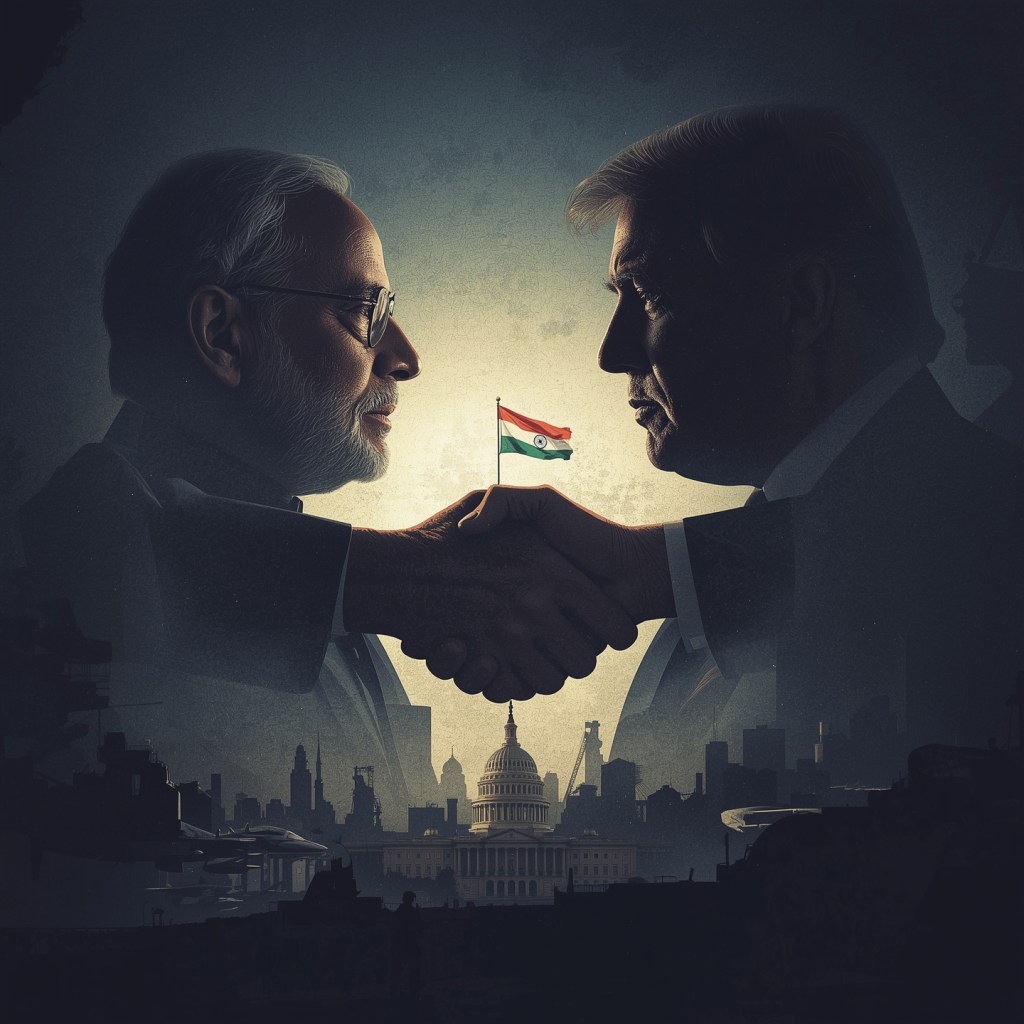
  • Public Fights, Private Handshakes: The Real Story Behind the Indo–U.S. “Tariff War”

    By the time you read this, a top-level U.S. defence delegation will either be packing their bags for New Delhi or already in meetings with India’s strategic leadership. On paper, this shouldn’t be happening. Not after President Donald Trump slapped two layers of tariffs on Indian goods — 25% on most imports from 1 August, plus another 25% announced on 7 August over India’s purchase of Russian oil. Together, they threatened to take the trade friction to a painful 50%.

    Yet, in classic Washington style, the drama on the surface hides a very different current beneath. While the tariff headlines dominate, the Indo–U.S. relationship is quietly moving forward on nearly every other front.

    The Defence and Security Front

    The upcoming visit of the U.S. defence ministry’s high-level team is not routine — it is a deliberate signal. Washington wants India to know that defence cooperation remains a priority. This is reinforced by the fact that the 21st edition of the joint Indo–U.S. military exercise will go ahead in Alaska this month.

    And here’s the geopolitical theatre twist: that’s the very location where Trump is scheduled to meet Russian President Vladimir Putin. On one side, Trump will be shaking hands with Putin; on the other, Indian and American soldiers will be training side by side.

    Diplomatic Continuity: The 2+2 Dialogue

    Preparations for the annual “2+2” ministerial dialogue — involving the defence and foreign ministers from both countries — are well underway. It’s one of the highest forms of institutional dialogue between the two nations, and it signals long-term commitment, not short-term posturing.

    Trade Talks Against the Grain

    Despite the tariff tensions, the American trade negotiation team is still coming to India on 25 August. There’s even optimism about concluding a barter-style trade agreement by October. India has drawn its “red lines” clearly — agriculture, livestock, and fisheries are off the table. Washington, at least for now, seems willing to proceed under those terms.

    Why the Mixed Signals?

    The answer lies in the difference between political theatre and strategic planning.

    • Trump’s tariff moves play well to his domestic base, particularly ahead of the midterm elections.
    • But U.S. institutions — the Pentagon, State Department, and trade machinery — know the cost of letting 25 years of carefully built Indo–U.S. cooperation unravel.
    • There’s also the possibility that Trump is quietly preparing to roll back the extra 25% tariff if the Putin talks produce the right optics.

    The Unmukt Take

    The “tariff war” may be more performance than policy. The reality is that India and the U.S. are not on the verge of a rupture; they are, in fact, deepening cooperation in defence, diplomacy, and trade — even as they spar in public.

    This is a story not of collapsing ties, but of dual narratives: one for the cameras, another for the confidential briefing rooms. And in international politics, it’s often the private handshake that writes the real history.
  • Modi Didn’t Blink: How India Protected Its Trade Sovereignty from Trump’s 25% Tariff Threat

    “They expected India to bow. Instead, India built a backbone.”

    In an age where many nations retreat under U.S. pressure, India stood tall. When Donald Trump returned to the White House in 2025 and announced sweeping 25% tariffs on Indian exports, many global observers braced for panic in New Delhi.

    But that panic never came.

    Instead, they saw a familiar face—Narendra Modi, calm, calculated, and completely unshaken.

    No Panic. No Compromise. No Deal Under Duress.

    The Modi government could have taken the easy route:
    Make a few trade concessions, appease Trump’s ego, beg for tariff exemptions—and spin it as diplomacy.

    But this time, India chose something far more powerful: Dignity.

    Despite looming tariffs, there was:

    • No sudden outreach from Indian envoys.
    • No last-minute offers on agriculture, dairy, or digital trade.
    • No weakening of India’s strategic relationship with Russia, which lies at the center of this trade conflict.

    Instead, India waited. Watched. And sent a clear message to Washington:

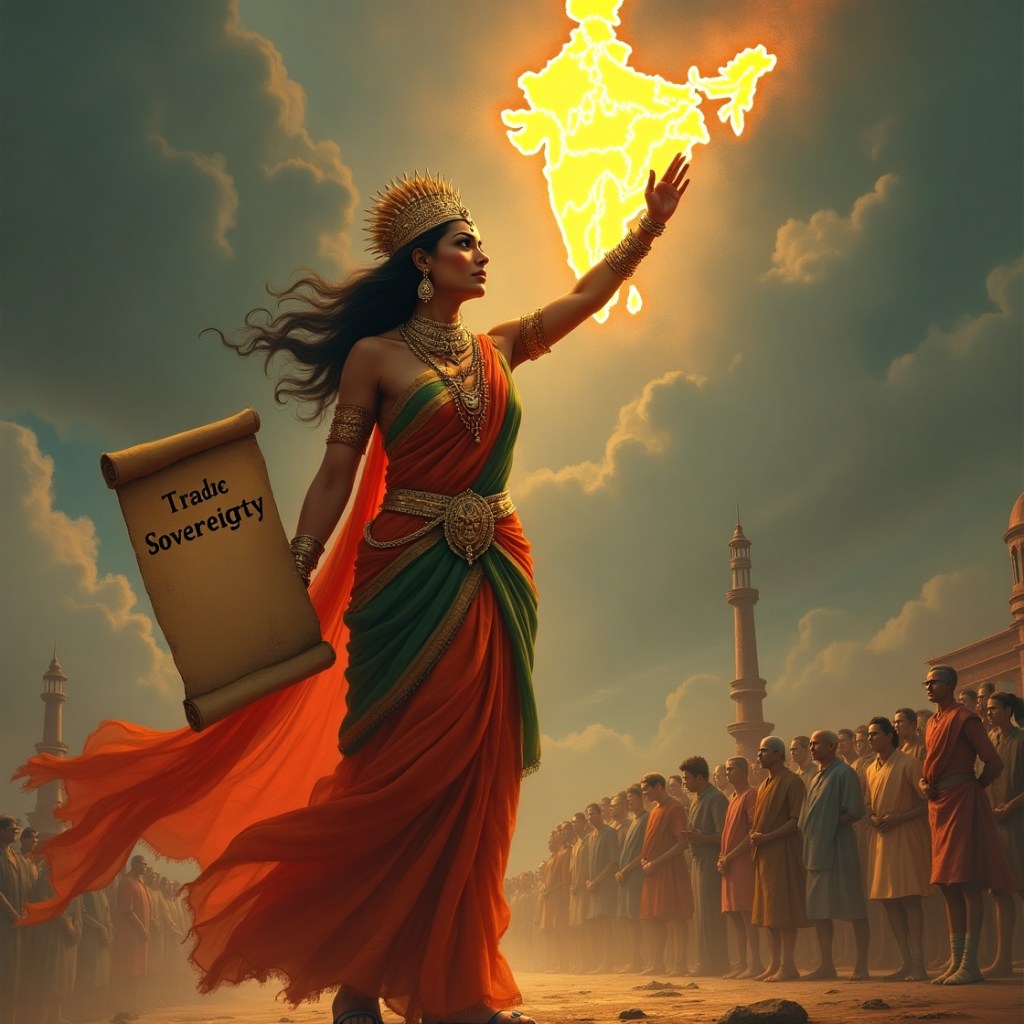
    We don’t trade our sovereignty—not for discounts, not for praise, not for fear.

    Modi in Parliament: A Defining Moment

    Just day before yesterday, in a charged Parliament session, PM Modi delivered a masterstroke without raising his voice:

    “No foreign leader has ever asked me to stop any internal operation in India.”

    This one line, subtle but piercing, was a direct counter to Trump’s old claims that he “mediated” between India and Pakistan—a lie that had embarrassed Indian diplomacy in the past.

    By affirming that no leader has dared question India’s internal affairs, Modi wasn’t just defending Kashmir or Manipur or economic autonomy—he was drawing a red line for the world.

    A line that says:
    This is New India. Strong, sovereign, and unafraid.

    The India of 2025 Is Not the India of 1991

    In the past, India bent.

    • In the ’90s, India opened markets under IMF pressure.
    • In the 2000s, India hesitated on nuclear autonomy until George Bush stepped in.
    • Even during the first Trump term, India showed restraint, trying to “keep the relationship warm.”

    But today, the tone has changed.

    Modi understands that India’s market of 1.4 billion, its tech and manufacturing potential, and its civilizational strength can’t be treated like a pawn in someone else’s game.

    Why Modi’s Boldness Matters

    Let’s be clear: Trump’s tariffs are real. They will hurt sectors like textiles, jewelry, and some pharma exports. But short-term pain is sometimes necessary for long-term independence.

    Because if India caved now, it would set a dangerous precedent:

    • That Washington can dictate Indian trade partners.
    • That a tariff threat can reverse our Russia strategy.
    • That India must “ask permission” before doing business with the world.

    But thanks to Modi, that precedent will never be set.

    What the World Needs to Learn from India

    China never compromises its red lines. Iran survives with zero Western sympathy. Even tiny Cuba resists American bullying.

    So why should India, a rising global power, act like a junior partner?

    By refusing to blink, Modi has elevated India’s position globally—from “strategic ally” to sovereign equal.

    The U.S. now knows:

    • India won’t trade policy for praise.
    • It won’t choose between friends because someone shouted louder.
    • And it won’t let elections in Washington decide its trade map.

    You can debate Modi’s domestic record. You can critique his style. But on the global stage, one fact is undeniable:

    He is the first Indian Prime Minister who doesn’t flinch , not before China, not before Pakistan, and now, not even before America.

    As Trump throws tariffs like tantrums, India responds not with fear but with strategic silence backed by steel nerves.

    That’s leadership.
    That’s sovereignty.
    That’s Modi.